Column · @beckettpbay732
A Patient’s Guide to Recovery After Cosmetic Dentistry


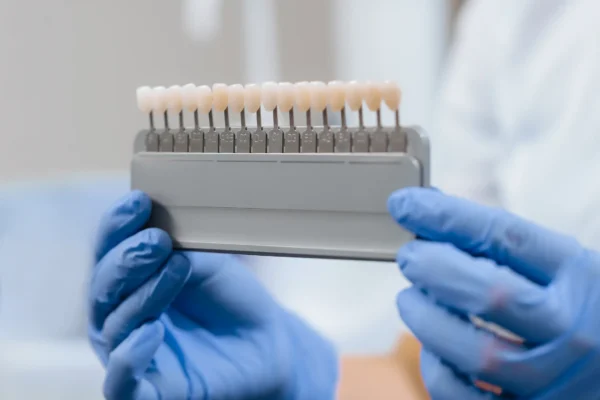
Cosmetic Dentistry can change a smile quickly, but recovery rarely feels instant from the patient’s side of the chair. People often focus on the reveal, the brighter teeth, the repaired chip, the new veneers, the straighter alignment, and give less thought to the days and weeks that follow. That is usually where the real adjustment happens. Mouths are sensitive, routines shift, and even small procedures can make eating, speaking, and brushing feel different for a while.
The good news is that most recovery after cosmetic dental treatment is manageable when expectations are realistic. Discomfort tends to be short-lived, the mouth heals fast compared with many other parts of the body, and a little care at home makes a noticeable difference. What catches patients off guard is not usually severe pain. It is the minor, persistent details: temperature sensitivity when drinking water, lips feeling stretched after a long appointment, a bite that seems slightly unfamiliar, or the worry that something looks wrong when it is simply still settling.
Recovery is not one single experience, because Cosmetic Dentistry covers a wide range of treatments. Whitening behaves differently from bonding. Bonding feels different from veneers. Gum contouring has a different aftercare pattern than aligners or crowns. Still, some principles hold across the board: protect the treated area, keep the mouth clean without being aggressive, follow the specific instructions your dentist gives you, and speak up early if something feels off.
The first 24 hours often set the tone
Most patients remember the first evening clearly. The numbness wears off, you finally get a look in the mirror without bib, suction, and overhead light, and then you start noticing sensations you were too distracted to feel at the office. Mild throbbing, pressure, tenderness in the gums, or a strange awareness of the treated tooth can all be normal in that window.
If anesthetic was used, be careful until full feeling returns. People do bite the inside of their cheeks or lips more often than they expect, especially after longer procedures. Children are not the only ones who do this. Adults do it too when they try to test whether they are still numb. It is a bad habit and an easy way to create soreness that has nothing to do with the dental work itself.
Food matters early on. Soft, lukewarm meals are usually the safest choice the first day unless your dentist tells you otherwise. Yogurt, eggs, oatmeal, soups that are not hot, rice, pasta, and fish work well for many people. Very crunchy foods, sticky candy, hard crusts, and anything extremely hot or icy can turn a smooth first night into a frustrating one.
If you had whitening, the issue is not healing in the same way as after drilling or reshaping, but sensitivity can still be sharp. Teeth may “zing” for short moments, especially with cold air or cold drinks. It can feel dramatic and still be normal. If you had veneers, crowns, bonding, or contouring, the gums may be more bothered than the teeth themselves. If your treatment involved the gumline, saltwater rinses and gentle hygiene usually matter more than patients realize.
Recovery depends on the procedure
A simple way to reduce anxiety is to match your expectations to the treatment you actually had. Patients sometimes compare themselves to a friend who had something completely different and decide their own recovery is unusual when it is not.
Teeth whitening usually has the shortest recovery. There may be little visible change in the mouth besides the whiter shade, but sensitivity can peak within the first day or two. The gums may look mildly irritated if whitening gel touched them. That tends to settle quickly.
Dental bonding is also straightforward for many people. If a chipped edge was repaired or a tooth reshaped, the tooth may feel slightly unfamiliar against the tongue. That is common. The brain notices small changes in the front teeth more than patients expect. Mild sensitivity can occur if the treated area was close to the nerve, but severe ongoing pain is not typical.
Veneers require a more involved adjustment. Even when the final result looks seamless, the teeth may feel bulkier for several days simply because your mouth is learning a new shape. Speech changes are usually minor and temporary. Patients sometimes lisp for a day or two on “s” sounds, especially if multiple front teeth were treated. The gums may be tender from retraction, impressions, or placement.
Crowns placed for cosmetic improvement can be similar. A new crown should not produce persistent pain, but temporary tenderness when chewing is not rare. A high bite is one of the most common reasons a recovery feels harder than it should. Patients often describe it as one tooth “hitting first.” That is worth reporting, because a small bite adjustment can make a large difference.
Clear aligners used for cosmetic straightening have their own rhythm. Rather than one recovery period, patients go through repeated short adjustment phases every time they change trays. Pressure, mild soreness, and temporary speech awareness are expected. Sharp pain, persistent ulcers, or trays that do not seat fully deserve a call.
Gum contouring or other soft tissue procedures can create the most obvious healing signs, even when the cosmetic result is subtle. Gums may look uneven, whitish, or slightly ragged before they look refined. That stage can alarm patients who expect perfection immediately. Soft tissue often looks worse before it looks finished.
What normal healing actually looks like
Patients often want one simple answer to the question, “Is this normal?” In practice, normal recovery is a range. The mouth is a moist, high-use environment. It heals quickly, but it also gets tested every time you eat, speak, sip, brush, clench, or smile.
A normal course may include mild swelling of the gums, tenderness along the gumline, sensitivity to cold, brief soreness when chewing, and an increased awareness of the treated tooth or teeth. If a procedure involved shaping or bonding the front teeth, patients often run their tongue over the area repeatedly. This can make the area feel more noticeable than it would otherwise. The sensation does not mean something is wrong. It often means you are monitoring it constantly.
Color can also shift during healing. Gums may look redder than usual right after treatment, then pale in spots, then gradually settle into a healthier pink. Temporary materials may look less polished than finals. Whitening can appear especially bright immediately after treatment and then soften slightly as the teeth rehydrate.
There is also a psychological piece to recovery. A changed smile draws attention. Some patients love that immediately. Others need a week or two to stop studying every detail. I have seen patients worry over a tiny textural difference on day two that they no longer notice by day ten. That does not mean concerns should be dismissed. It means the adjustment period is real, and the mind can be slower to settle than the tissues.
Pain control without overcomplicating it
Most cosmetic dental recovery does not require heavy pain management. When discomfort shows up, it is often well controlled with the medications your dentist recommends, combined with common-sense habits. People get into trouble when they either ignore instructions or layer multiple products without checking whether they can safely be taken together.
A cold compress on the outside of the face can help if there is swelling or jaw soreness, particularly after Cosmetic Dentistry a long appointment. Keep it intermittent rather than continuous. Resting the jaw matters too. Hours in the dental chair can leave the muscles fatigued, especially for patients who already clench or have temporomandibular joint tension. Some of what feels like “tooth pain” the next day is actually muscle strain from being open so long.
Sensitivity toothpaste is genuinely useful after whitening, veneers, and some bonding procedures. It is not a glamorous tip, but it helps. Many patients benefit from using it for a week or two before and after treatment if they already know they tend to be sensitive.
Avoid the temptation to test the area over and over. Chewing ice to “see if it hurts now” or tapping the tooth repeatedly is a poor home experiment. It adds irritation and gives you confusing information.
Eating, drinking, and the small decisions that matter
Recovery goes more smoothly when you treat the first few days as a time to be selective, not deprived. Most patients can eat enough variety to stay comfortable if they make thoughtful choices. The big principle is to avoid extremes, extreme temperature, extreme force, and extreme staining if your dentist has warned you about that risk.
After whitening, dark foods and drinks may be restricted briefly because the teeth can be more prone to picking up stain in the immediate period after treatment. Coffee, red wine, curry, soy sauce, berries, and tomato-based sauces are common examples. Not every office gives the Cosmetic Dentistry same timeline, but many recommend caution for 24 to 48 hours.
After veneers, bonding, or crowns, the concern is often mechanical rather than color-related. Biting into a hard baguette crust, tearing open a packet with your front teeth, or chewing sticky caramel too soon can create problems that have nothing to do with the quality of the work. Cosmetic dental materials are strong, but they are not meant to be stress-tested just because they look natural.
A practical first-day food plan looks something like this:
- Breakfast: oatmeal, eggs, yogurt, or a smoothie that is not ice cold
- Lunch: pasta, rice, soft vegetables, fish, or a mild soup
- Dinner: tender chicken, mashed potatoes, tofu, or well-cooked grains
- Snacks: bananas, cottage cheese, applesauce, or soft bread
- Drinks: water, room-temperature tea, or other non-staining, non-acidic options if advised
That is not a universal prescription, just a pattern that tends to reduce avoidable irritation. If your bite feels tender, smaller bites and chewing on the untreated side for a day or two can help, assuming your dentist has not told you otherwise.
Oral hygiene has to be gentle, not timid
One of the most common mistakes after Cosmetic Dentistry is backing off hygiene too much. Patients are afraid to brush near the area, so plaque builds up at exactly the moment the gums need a clean environment to recover. The right move is usually gentleness, not neglect.
Use a soft-bristled toothbrush. Angle it carefully around the gumline and let the bristles do the work. Scrubbing harder does not clean better. It only increases irritation. Flossing may feel awkward if contacts have changed or the gums are tender, but unless your dentist tells you to pause in a specific area, flossing is usually still important. If floss catches or shreds around new work, mention it. That can signal excess bonding material, a rough margin, or a contact that needs refinement.
Warm saltwater rinses can be soothing after gum irritation or contouring, provided they are recommended for your case. Alcohol-heavy mouthwashes often sting and may not be the best choice right after treatment. Patients who use whitening toothpaste immediately after whitening can also make sensitivity worse. Plain, non-abrasive products are often the smarter short-term option.
I have seen excellent cosmetic results undermined by a week of hesitant cleaning. The materials looked good, but the gums became puffy and inflamed. Patients then assumed the dental work itself was failing. More often, the issue was that the area was not being cleaned confidently enough.
The bite should feel natural, but not always right away
A changed bite is one of the most important things to monitor, because it affects comfort, chewing, and the lifespan of the work. At the same time, patients need to know that “different” and “wrong” are not identical.
If teeth have been reshaped, restored, or aligned, they may feel unusual for a few days. The tongue is remarkably sensitive to contour. You may notice thickness, edge length, or how the upper and lower teeth meet during speech. This kind of awareness often fades.
What should not be ignored is a bite that feels clearly premature or uneven. If one spot takes all the force when you close, the tooth may become sore to pressure. That soreness can escalate with every meal. A tiny high spot on a veneer, crown, or bonded edge can create outsized irritation. The fix is often simple, but only if the patient speaks up.
Nighttime clenching adds another layer. Some patients leave cosmetic appointments and then grind against the new surfaces while sleeping because they are subconsciously aware of the change. If you wake with temple tension, jaw soreness, or pressure in a restored tooth, tell your dentist. In some cases a protective night guard is wise, especially after veneers or multiple anterior restorations.
Appearance changes during healing can be misleading
People understandably expect cosmetic treatment to look beautiful right away. Sometimes it does. Other times, the final beauty is obvious only after the tissues calm down. That delay creates anxiety, especially in patients who scrutinize their smile in bright bathroom mirrors under unforgiving light.
Gums around veneers or bonding may look puffy at first. Whitening can leave the teeth temporarily chalky-looking from dehydration. Lip dryness after a long appointment can make the teeth look more prominent than they really are. Aligners can trap saliva in ways that alter how the smile photographs. None of these things necessarily reflect the final result.
Temporary restorations are another common source of panic. They are meant to protect, not to mimic the exact polish and translucency of the final work. If you are between stages, especially with veneers or crowns, judge comfort and function more than aesthetics unless your dentist tells you otherwise.
Photography also distorts expectations. Phone cameras sharpen edges and flatten depth. I have watched patients zoom in on a close-up image and find “imperfections” that are invisible in normal conversation. The better test is how the smile looks at speaking distance, in ordinary light, with the lips moving naturally.
When to call your dentist
Most cosmetic dental recovery follows a calm, predictable course. A few warning signs deserve faster attention, not because disaster is likely, but because early corrections are easier than delayed ones.
- Pain that is worsening rather than easing after the first couple of days
- A bite that feels clearly high, unstable, or painful to chew on
- A veneer, crown, temporary, or bonded edge that feels loose, rough, or fractured
- Swelling, bad taste, pus, fever, or bleeding that seems excessive for the procedure
- Sensitivity that is severe, prolonged, or triggered by pressure more than temperature alone
Patients sometimes hesitate to call because they do not want to be difficult. That reluctance causes more trouble than the phone call ever does. Dental offices would rather adjust a small issue promptly than hear about a preventable problem after a weekend of discomfort.
The longer view, protecting the result once healing is over
Recovery is only the first chapter. The habits you keep once the mouth feels normal do more to preserve cosmetic dental work than the aftercare instructions you follow in the first 72 hours. Beautiful dentistry ages well when it is respected and maintained.
That starts with ordinary oral hygiene, but it does not end there. If you grind, address the grinding. If your diet relies heavily on acidic drinks, understand what that does to enamel margins and bonding surfaces over time. If you whiten frequently without guidance, you may trade color improvement for repeated sensitivity. If you use your teeth as tools, opening packages, cracking nuts, tearing tags, expect repairs sooner rather than later.
Maintenance visits matter because cosmetic problems often begin as functional ones. A tiny rough edge can be polished before it chips further. A small bite interference can be adjusted before it causes muscle pain. Early gum inflammation around beautifully placed veneers can be reversed before it affects the appearance of the margins.
There is also a useful mindset shift here. Cosmetic dental work should not feel fragile, but it should be treated as an investment. Natural teeth need protection and maintenance too. The same common-sense care applies, just with higher stakes if you have spent significant time and money on the result.
A few common worries patients bring up
One of the most frequent concerns is, “My teeth feel too big.” In many cases, they are not too big. They are simply new to your mouth. The lips, tongue, and speech pattern need a little time to recalibrate. If the feeling persists beyond the early adjustment period, your dentist can evaluate shape and contour more objectively.
Another is, “They look too white.” Immediately after whitening or placement, bright dental work can stand out to you because you remember the old shade vividly. Friends and family often perceive the change as fresher or healthier rather than exaggerated. Give yourself time before making a judgment, especially if dehydration from treatment is still present.
Patients also ask, “Why is this one tooth more sensitive than the others?” Teeth are not identical structures. One may have thinner enamel, a slightly different nerve response, an older filling, or more recent shaping. Uneven sensitivity is common. The pattern matters more than the fact that it is not perfectly symmetrical.
Then there is the fear that every sensation signals failure. It usually does not. New dental work can be noticeable before it becomes familiar. The goal is not zero sensation on day one. The goal is a steady trend toward comfort, function, and confidence.
A steadier recovery starts with realistic expectations
The smoothest recoveries are not always the ones with the least swelling or the least sensitivity. They are often the ones where the patient knows what kind of healing to expect, follows instructions closely, and checks in early if something does not fit the pattern. Cosmetic dental treatment can feel deceptively simple because the appointments are planned, clean, and controlled. The mouth, however, still needs time to adapt.
If you have just had whitening, bonding, veneers, aligners, contouring, or crowns, be patient with the process. Eat gently for a bit. Clean carefully. Resist the urge to overtest every sensation. Trust the normal healing window, but do not ignore pain or bite problems that seem to be intensifying.
A better smile should not come with mystery. Recovery has its inconveniences, but most of them are brief, manageable, and easier once you know what is normal. The final result is not only how your teeth look when you leave the office. It is how comfortably they function once everyday life resumes, meals, conversations, laughter, coffee, photographs, and all.
Toothworks of Bakersfield, Dentist and Orthodontist
1030 H St #1, Bakersfield, CA 93304, United States
+1 661-323-9421
FAQ About Cosmetic Dentistry
Is bonding better than veneers?
Neither option is best for everyone. Composite bonding can address small chips, gaps, or shape concerns and is generally easier to repair. Porcelain veneers may offer greater resistance to staining and wear, but often require removal of some enamel. A dentist should assess your oral health, bite, goals, and budget before recommending treatment.
How long will dental bonding last?
Bonding commonly lasts about three to ten years before it needs repair or replacement, though this varies with the location and amount of bonding, your bite, and daily habits. Regular dental visits, good oral hygiene, and avoiding chewing hard objects can help protect it. Ask your dentist what lifespan is realistic for your particular treatment.
What are the risks of teeth whitening?
Whitening can cause temporary tooth sensitivity and gum irritation. Overuse or incorrect use may damage teeth or gums, and whitening does not change the color of existing crowns, veneers, or fillings. Have a dentist assess your teeth and gums, and follow the recommended product directions and treatment schedule.